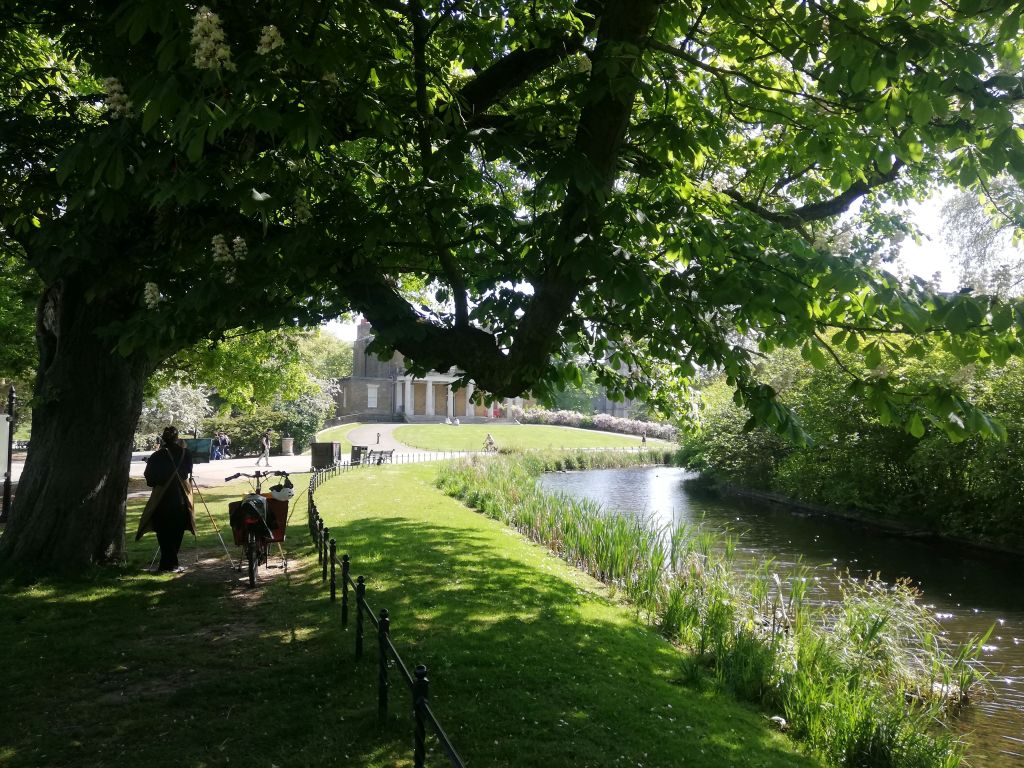
From Dad’s home on the northern fringe of Muswell Hill, I cycle the sunny morning up and down through Turnpike Lane and along to Clissold Park, stop for an energy shot guarana coffee. Slide down to Dalston, get lost on a wrong turn to Victoria Park, open Google maps, eventually find my bearings roundabout to Mile End; Limehouse, and the minutiae of back streets and alleys, bridges and footways that lead to my dentist in Canary Wharf. It’s my first time there – my usual dentist has referred me to a private specialist, since the NHS nor even she privately has the necessary equipment for the job. Apparently I am at my destination but I can’t see it – no sign. I began panicking a good half hour earlier when the map was messing me around, sending me on wild goose chases, unnecessary side routes when the main road would have been fine and so much more direct. I think, AI could do a better job and I welcome that. I felt my cortisol level rising as I shifted from calm pleasure on my ride, to anxious nervousness, noticing how that made it harder to read the map or any useful information around me. I wondered if that was because of how expensive the consultation was, and difficult to get a slot, or because I don’t like being late for anything. Both. I’d actually left plenty of time so it felt punishing and I actually shed a tear.
Still, it was fine when I arrived. After I parked the bike, I noticed a small sign for a dentist. No name of the company, just dentist; so I called there. It was them! I’d thought I was 15 minutes late to a half hour appointment but it turned out she was running late, and all was fine.
She was very thorough and clear in her explanation of the predicament of my root. She spoke fast and showed me diagrams. She had a kind manner and I trusted her, but the treatment would cost about double what I had expected, plus she recommended that I get something else done by my dentist. I knew I must follow what she says, but the cost was going to be considerable, and I would notice it.
Now I think, how apt to be nodded toward this event so anxiously, when it will in fact set me back noticeably. A nudge that this will force me to do things differently perhaps. When I try to choose a payment plan for the dental bill, the system won’t let me, because I don’t earn enough money. The injustice that the poorest who need it, can’t access it. It must be a single big chunk or not at all. I wonder if I should ask my ex, or Dad to help, but neither seem like good options. It’s probably time I just bit it. It makes me want to cry. Self pity? Maybe. It’ll pass and I know it’s also good because it urges me to work harder, make more money, be more mindful. Understand the value of things.
Why have I been so blind to this coming? The bill is teaching me about money; to value it; to create it. And about following my guides. Sometimes I wait too long and they spend years trying to push a message across. I could become much swifter in my response.
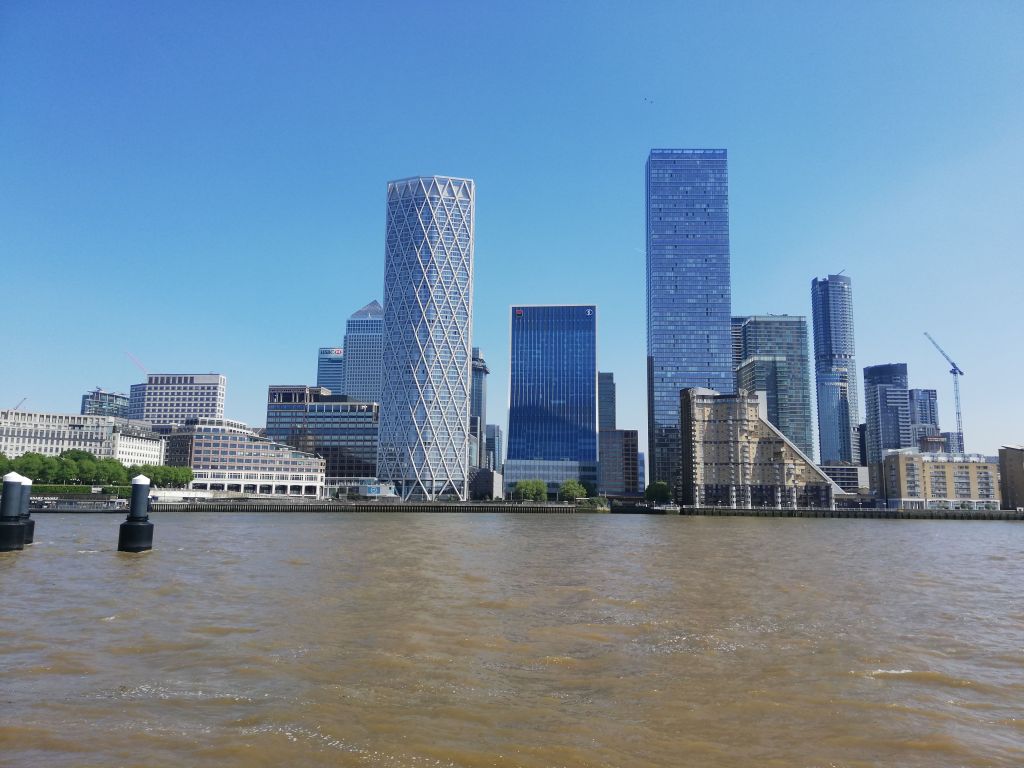
Cycling back I decided to drop into my dentist on the other side of the water, so for the first time, I took the ferry. Funnily enough I remembered at the beginning of the year hearing a message from my guides telling me to imagine I was very rich. I knew why – because that would help attract more resources, but I perhaps hadn’t followed the advice enough. They knew I was going to need more money than usual this year, and I wouldn’t have a partner who could help. A few weeks later I bought flights, transport and accommodation for a long trip to America. Now this. I have already increased the amount I am working, and that must continue!
Later in the day at a private view I don’t know who I’m going to see – random people, some artists I know… on a warm evening in Primrose Hill. The surprising thing is I spend most of the time speaking with two people I didn’t know previously. An American guy who wonders about going back to spend time with elderly parents. But the unexpected encounter which colours the rest of my evening is with an artist’s wife, who is an academic. First she speaks about a recent visit to the US, and then I ask if she is South African because of her accent, I mean I know she is. I say my family were; I ask when she moved here, and say mine did in 1963 as they were political (anti-apartheid). A light goes on in her and she asks my surname. I say Bunting and she says she knew Brian and Sonia personally – my great uncle and aunt. Like them, she was a member of the ANC movement and her aunt was their neighbour in Highgate. She attended meetings in their house and knew how dedicated they were. She even knew of my great grandfather, who very few people have heard of now! This was a rare happenstance meeting, sitting on the garden wall outside a gallery.
What strikes me most of all, is that I feel she understands me in a unique way; like a beam shining through me, I feel seen in a way very few people can. She has a deep insight into the way South African exiles in particular processed their situation and has studied it. The way the women often turned to writing, and how well they did this. She has written about this phenomenon and may send me a chapter of one of her books. Not that I am an exile, but it is a latent part of my heritage, and for some reason I connect with it while not all descendants do.
She understands how some of us are intrinsically compelled by our ancestors – their stories ignite us, give us more meaning in our own lives somehow. We need to look back because we see the traces in our lives of why we are where we are, and the trails are curious. When our family before us chose difficult lives – or rather couldn’t help but follow their calling to do what seemed right – because they had powerful beliefs, not just about how they lived but about the whole world or economic social system; they send ripples for generations after. They are often not the best parents because they are so caught up in their beliefs and must live with the consequences like spending time in prison; however they make great ancestors.
Somewhere down the line comes a descendant whose parents were not able to be more present, and she reaches back keenly to feel for messages from the past. It’s like filling in a parenting gap in my sense of purpose. It makes me feel special and it’s part of my identity. It’s not a whimsy; when I read the words they wrote, or were written about them, I feel a bolt of electricity running through me. I feel connected to them, and sense how they knew they were writing or making history not just for their own era, but for a bigger time frame. Writers reach across time, speaking to each other and their readers. When I learnt of how some of my ancestors had such powerful beliefs that it changed their lives as well as contributing to movements towards eradicating racism, undoing colonialism, and lessening the extreme effects of capitalism; it blew my mind!
I’m also deeply concerned with the present; the now; and meditate habitually; try to live in that place. As for the future, I am excited about evolution and spiritual development of humans, and moving beyond physical form. Timelessness intoxicates me. So there are these simultaneous fascinations.
We had begun our discussion about my American communist Grandpa, so she knows I have this extremity from both sides. She looks at me so acutely, and after that I can’t speak to anyone else. I can’t do small talk. I have to leave. I message Brian’s daughter, my Dad’s cousin, on my way home. It’s good to reconnect.
 Esther Bunting